Carrying a Camera to Goechala
Filming the Himalayas at 15,000 feet: the light, the cold, the weight of the gear, and standing before Kanchenjunga at dawn.
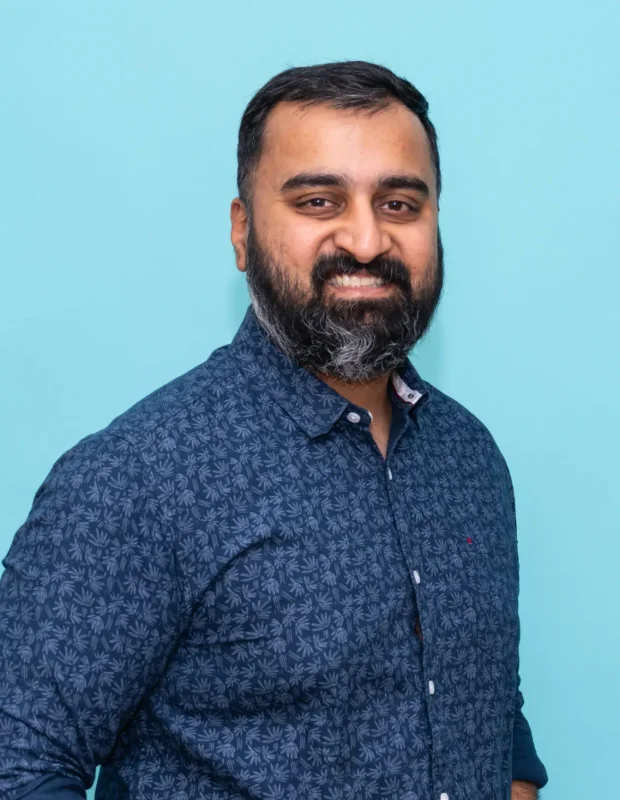
Filming the Himalayas at 15,000 feet: the light, the cold, the weight of the gear, and standing before Kanchenjunga at dawn.
Goechala turned out to be the hardest trek I have had to document, and I mean that in the specific way a filmmaker means it.
A trek I had been circling for years
Goechala had sat on my list for a long time. I first heard about it the way most people do, through a story, and something about the idea of standing in front of Kanchenjunga at first light stayed with me. When Indiahikes asked me to come along as the cinematographer, to shoot the film and the photographs for the trail, I said yes.
I have trekked in the Himalayas before. I have carried a camera on my back through places that do not care whether you are tired. But Goechala turned out to be the hardest trek I have had to document. What makes it hard is that it keeps asking you to be two people at once: a trekker who needs to keep moving and stay warm and stay safe, and a cinematographer who needs to stop, wait, watch the light, and get the frame. Those two people want very different things, and the mountain does not slow down to let them agree. This is an honest account of what that felt like, and how I tried to make images worthy of the place while it slowly emptied me out.
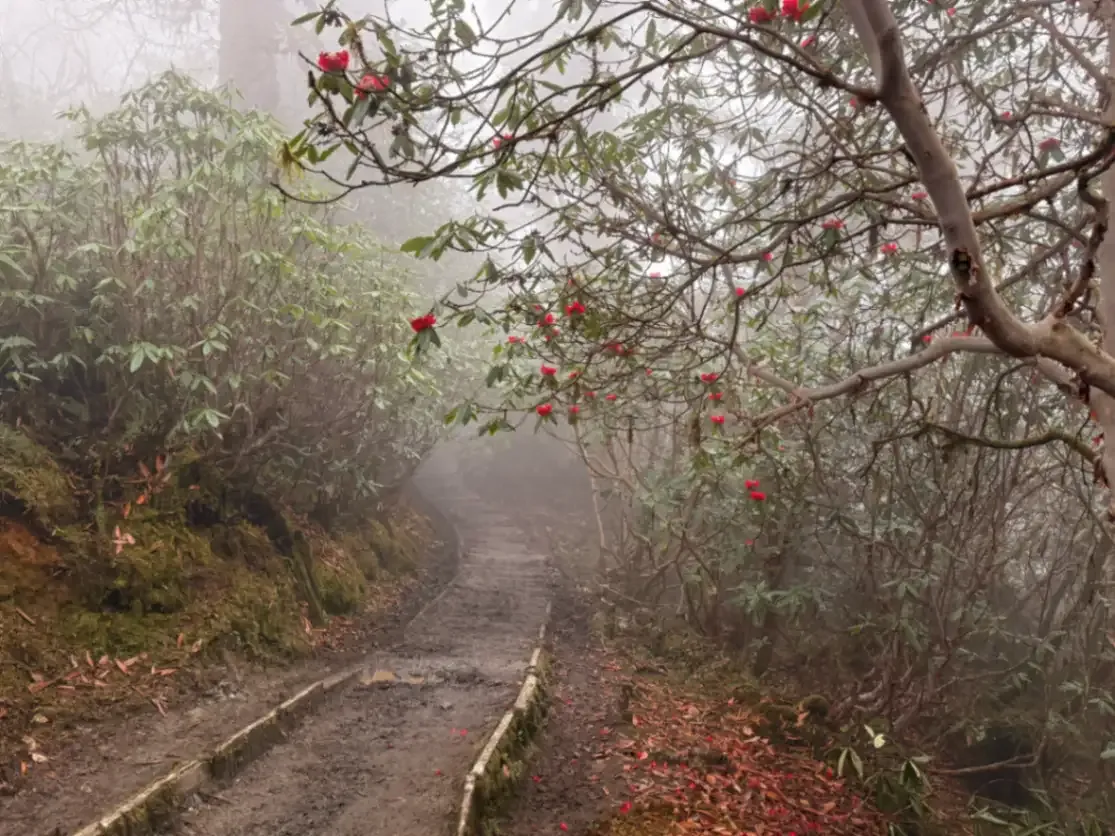
The Rhododendrons starting to bloom, in April
The forest gives you an easy lie
The trek starts gently from Yuksom, and the first day through the forest to Sachen almost fools you. You walk under a canopy, cross a few bridges, and the camera feels light on your shoulder. The light in the forest is soft and generous, the kind that forgives you. I remember thinking, early on, that this would be manageable.
I was wrong, but I am glad I did not know it yet. Those first two days through Sachen and Tshoka, with the rhododendrons still in bloom, were where I shot some of my favourite quiet frames of the whole trek. Nobody talks about the small moments on the way up: the porters resting against a tree, steam rising off a cup of tea, a trekker adjusting their laces while light filters through leaves. Those frames do not sell a trek the way a summit shot does, but they are the honest parts, and I wanted the film to have them.
The lesson the forest teaches you, if you are shooting, is to take the easy footage while it is easy. Every frame you leave for later, at altitude, costs you three times as much.
The climb to Dzongri, and the first real bargain
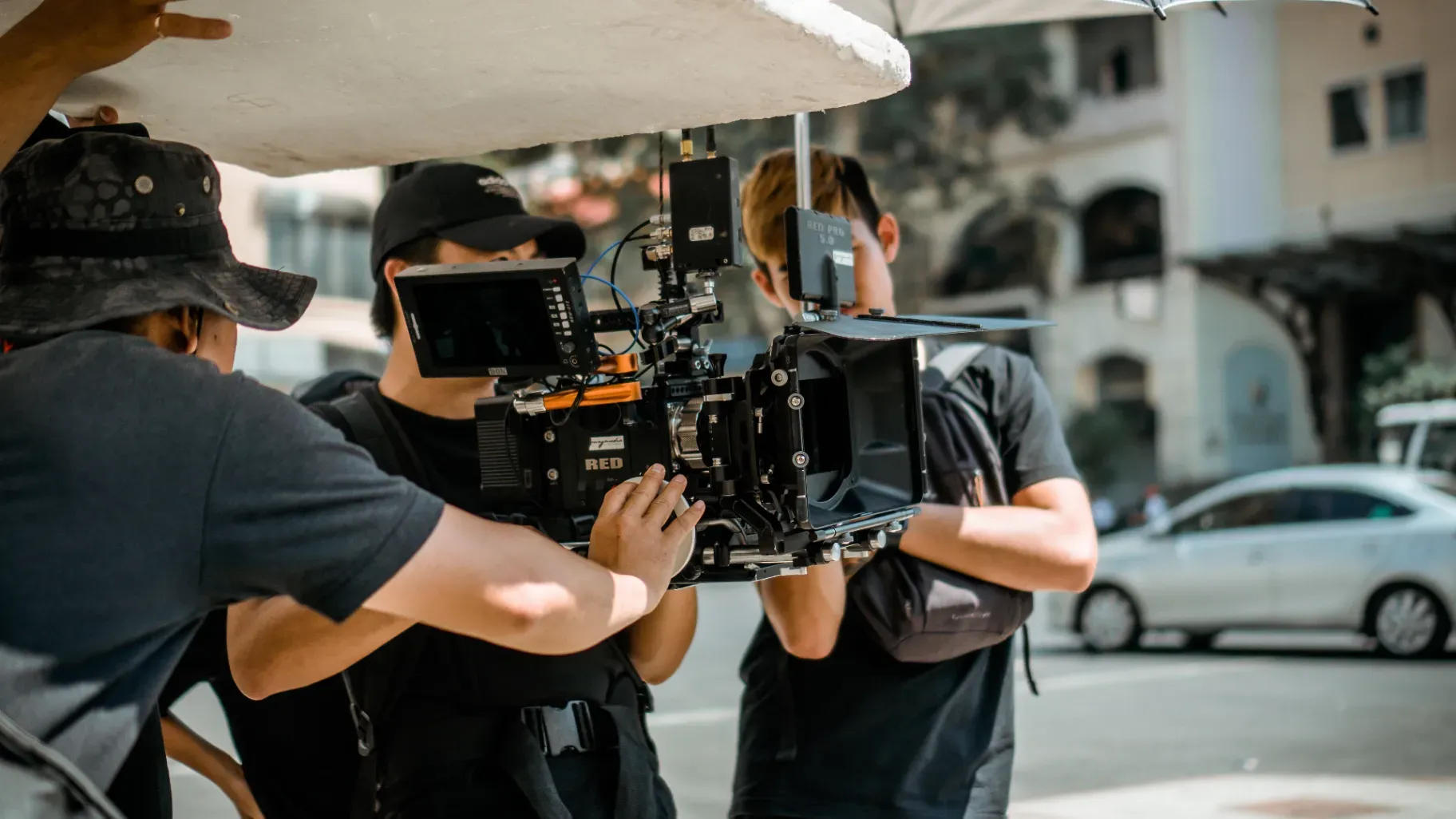
Then comes the climb to Dzongri, and the mountain stops being polite. The ascent from Tshoka to Dzongri is a long, unrelenting grind, and it is where I first had to make the bargain that would define the rest of the trek. My body wanted to keep a rhythm, get to camp, stop. My job wanted me to break that rhythm constantly, to run ahead of the group so I could film them walking toward me, then catch up, then run ahead again. On flat ground that is tiring. At 12,000 feet with gear, it is a negotiation with your own lungs.
I learned to think in advance. I stopped shooting whatever was in front of me and started reading the trail ahead, deciding where the frame would be, positioning myself early, and letting the group come to me. It sounds obvious written down. On the mountain, with your heart going and your
fingers going numb, thinking two hundred metres ahead is a discipline you have to force.
The long climb to Dzongri. Running ahead to film, then catching up, then running ahead again.
Dzongri itself is where the trek changes character. The forest is behind you now. The land opens into high meadows, and for the first time the big peaks start to show themselves. We had a rest day here to acclimatise, which for me was not rest at all. It was the first chance to shoot the mountains properly, and I was not going to waste it.
Dzongri Top, before dawn, in the cold
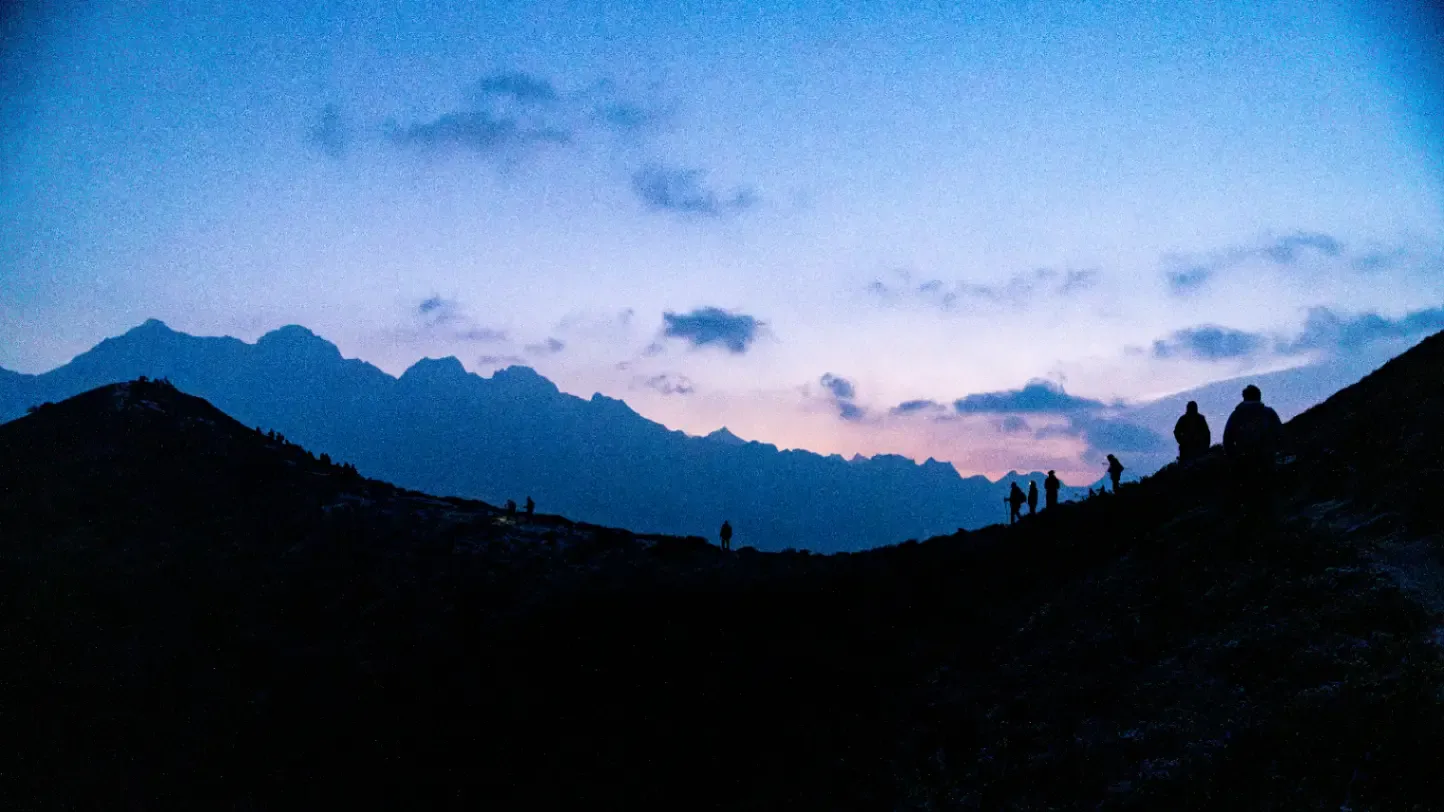
The acclimatisation morning at Dzongri means climbing to Dzongri Top before sunrise, in the dark, in the cold. You leave camp with a head torch and a thin line of trekkers moving up the slope, everyone quiet, everyone breathing hard.
This is the first of the two great sunrises of the trek, and it is the one that taught me how to handle the cold with the camera. At that hour the temperature is brutal, and cold does specific, annoying things to filmmaking. Batteries drain in front of your eyes. Your fingers stop cooperating right when you need them for small adjustments. Your breath fogs the viewfinder if you are not careful. I kept spare batteries against my body, inside my layers, and rotated them through the camera as they died, which is the sort of thing nobody tells you about until you are up there learning it the
hard way.
And then the sun came, and all of that faded into the background. The first light hit the peaks and they turned gold, one after another, and the whole cold miserable climb suddenly made sense. I have watched a lot of sunrises through a lens. This one made me forget, for a moment, that I was working. I had to remind myself to actually roll, because the instinct was just to stand there and look. That tension, between witnessing something and capturing it, is the quiet heart of expedition filmmaking. If you only capture, you miss the thing itself. If you only witness, you come home with nothing. You learn to do both, and you learn that the camera, used right, is a way of paying closer attention rather than a barrier to it.
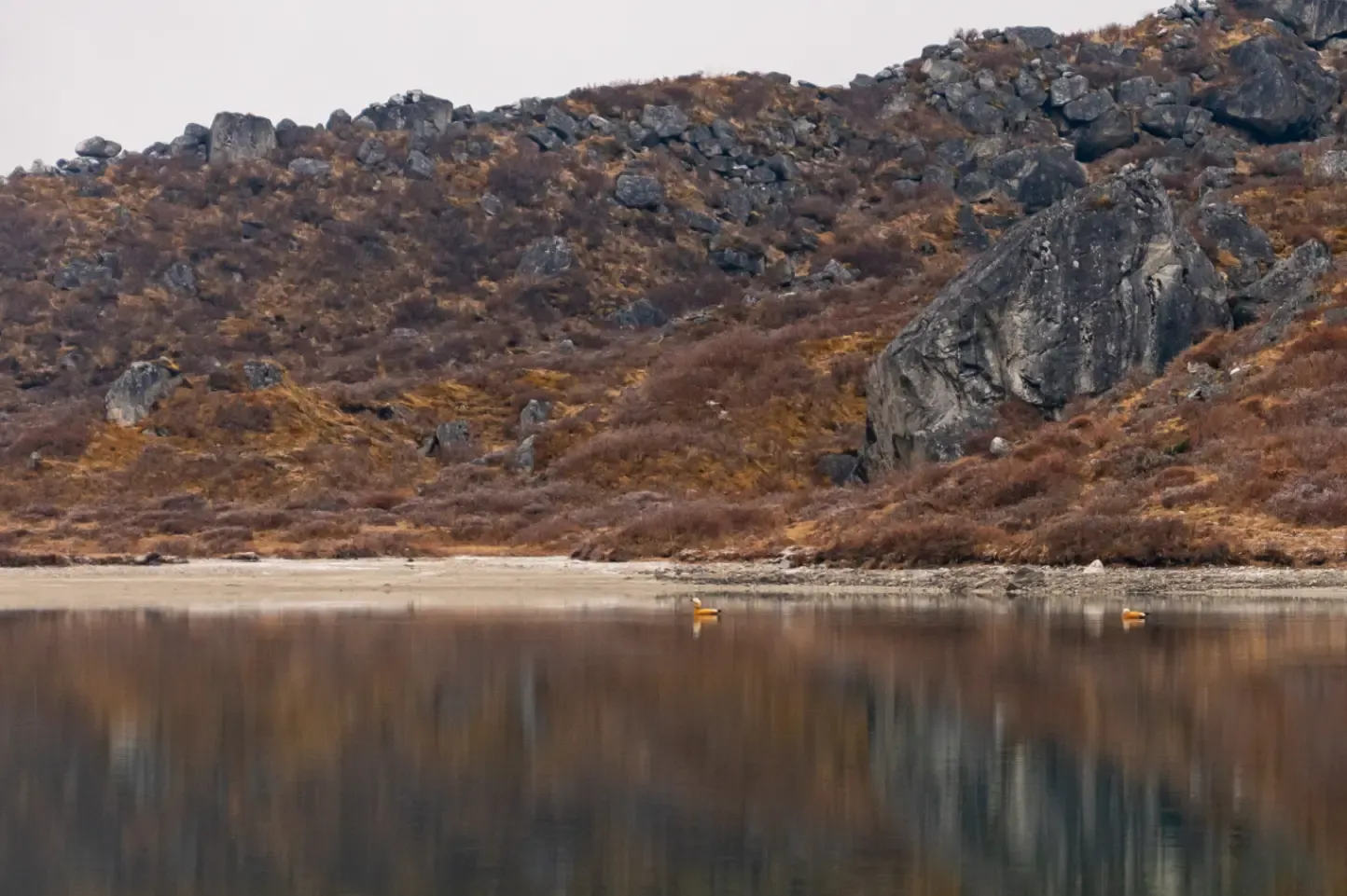
Samiti Lake, before the wind.
Samiti Lake, and the stillest water I have filmed
Beyond Dzongri the trail drops to Thansing and then to Lamuney, closer and closer to the wall of mountains, and near here lies Samiti Lake. Samiti is a small glacial lake, high up, and on a still morning it becomes a mirror. Mount Pandim rises straight above it, and when the water is calm the reflection is so clean it is almost disorienting: the mountain doubled, sky below as well as above. I had seen photographs of this before the trek. Standing in front of it is different. Photographs do not carry the silence.
I shot Samiti in the early morning, when the air had not yet started to move and the surface held. There is a very short window for that reflection, before the wind picks up and breaks it into ripples, and you either are ready for it or you miss it entirely. I had scouted my position the evening before, in fading light, so that in the morning I only had to set up and wait. Patience at altitude is expensive, because standing still means getting cold, but some frames are worth paying for. That one was.
The summit push, in the dark, on empty
Goecha La itself, View Point 1, is the reason everyone comes, and reaching it means the hardest day of the trek. You start around four in the morning, in complete darkness, from Lamuney. It is bitterly cold and the air is thin enough that every step is deliberate. You walk by torchlight toward a mountain you cannot yet see, trusting that it is there.
As a filmmaker this is the most demanding stretch, because you have the least to give and the most to capture. The light you are climbing toward, the first sun on Kanchenjunga, is the single most important shot of the entire film, and you have to arrive with enough left in you, and enough life in your batteries, to actually make it. I will not pretend I was graceful about it. I was exhausted. But there is a particular clarity that comes when you are that tired and that cold and you know a moment is coming that you cannot repeat. Everything narrows. You stop thinking about your legs.
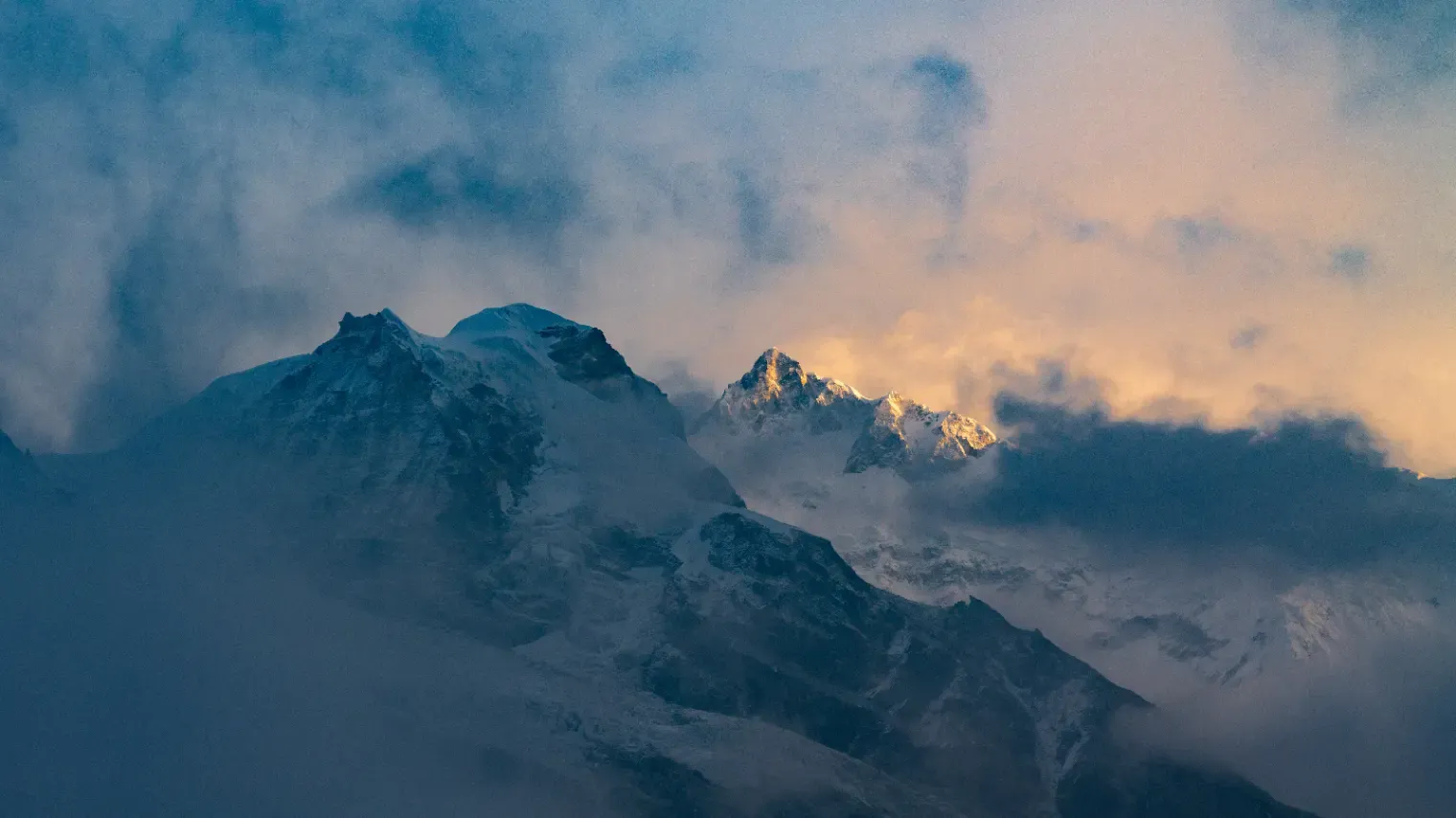
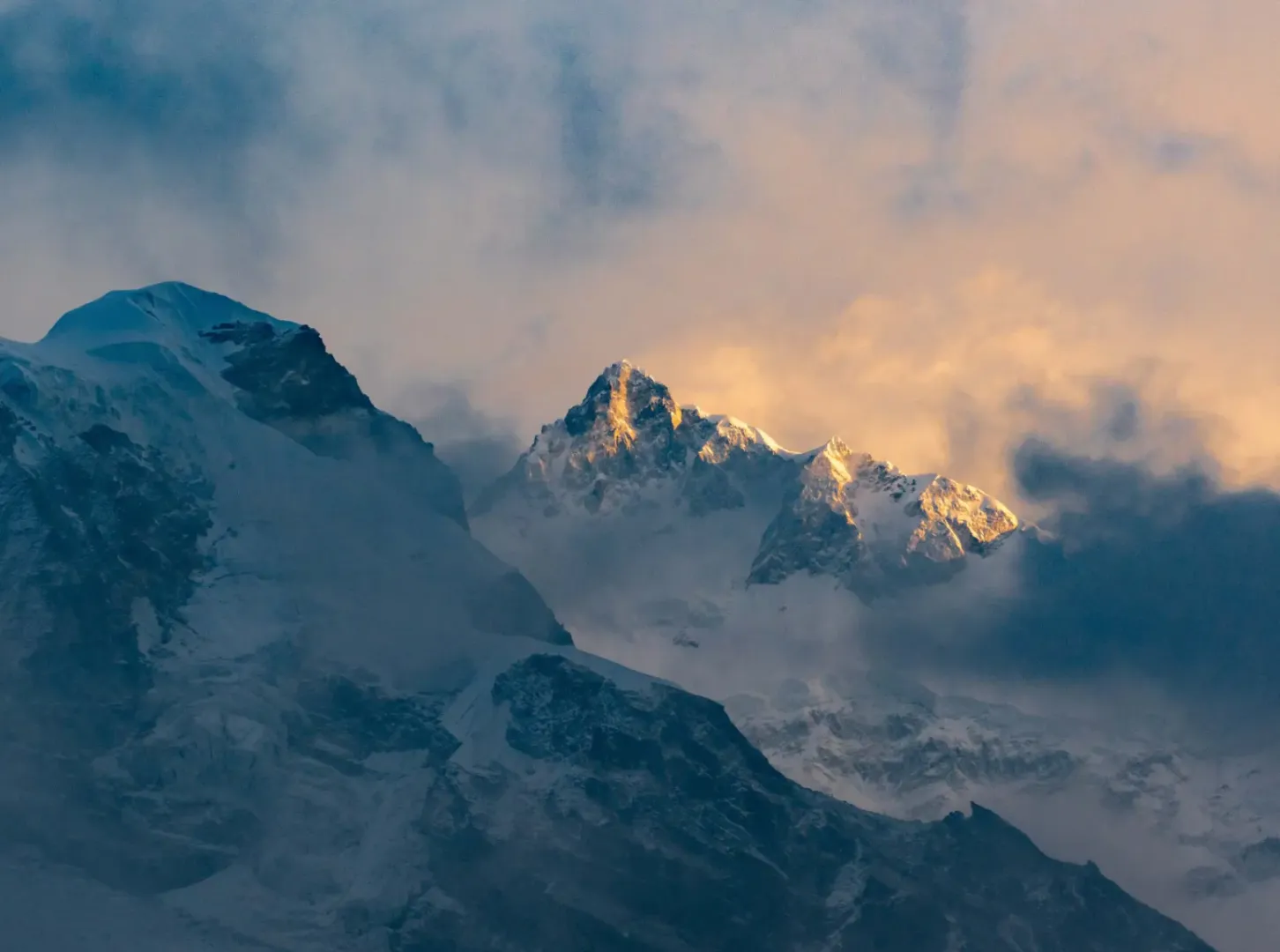
Kanchenjunga catches fire. The third highest mountain on earth, going from grey to burning gold.
And then Kanchenjunga caught fire. The sun came around and struck the south-east face, and the mountain went from grey to burning gold in front of us. It is the third highest mountain on earth and from that viewpoint it fills the sky, and when the light hit it I understood why people say
hardened trekkers cry up there. A few around me did. I was behind the camera, which is its own kind of protection, but I felt it. I have stood in a lot of beautiful places for work. Very few have quietened me the way that morning did.
I got the shot. I got several. And for a few minutes after, I let the camera hang and just watched, because some things you owe it to yourself to see with your own eyes and not only through glass.
What the mountain taught me about my work
The way down is long and your knees remember every step, and there is a strange sadness in leaving that only mountain people will understand. What I carried home from Goechala was not just footage, though I am proud of the footage. It was a clearer sense of what expedition filmmaking
actually is. It is not about the gear, though the gear matters. It is about being able to function, creatively and calmly, when the environment is doing everything it can to take your energy, your dexterity, and your focus. It is about planning frames when your brain wants to shut down. It is
about protecting your batteries like they are part of your body. It is about knowing when to shoot and when to simply be present, and having the discipline to do both in the same breath.
Kanchenjunga does not care that you have a client and a deadline. The light comes when it comes, the cold is the cold, and the mountain owes you nothing. You show up prepared, you stay humble, you work hard, and if you are lucky the mountain gives you a few minutes of something
extraordinary. Your whole job is to be ready when it does.
I would carry a camera up there again tomorrow.